
PLA for FDM 3D printing — when to use it and when not to
PLA is the most popular FDM filament. We explain why, what its real strengths are, where you should never use it, and which projects it is still the best choice for.
What is PLA?
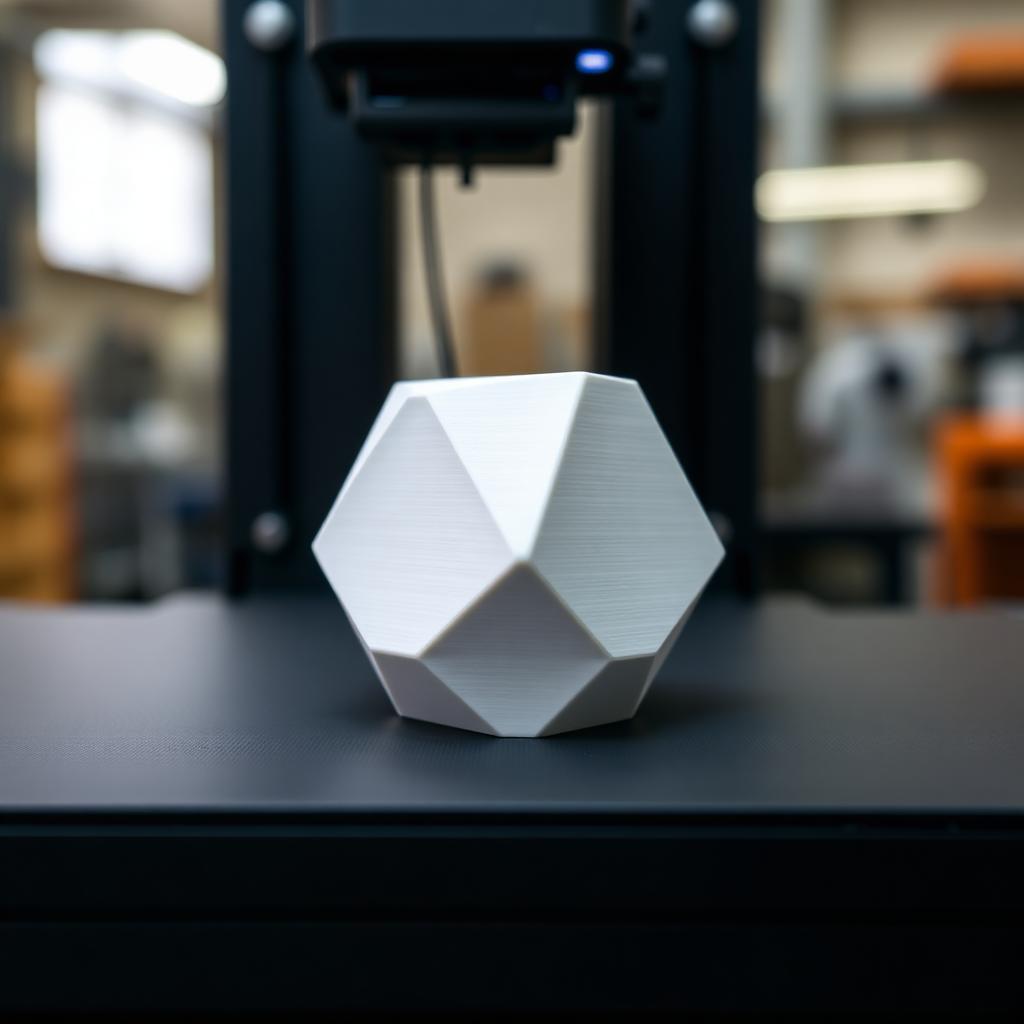
PLA (polylactic acid) is a bioplastic made from renewable sources such as corn starch or sugar cane. In the FDM 3D printing world, PLA is the material almost every user starts with — it is easy to print, virtually odourless, does not require a heated chamber, and produces clean, sharp detail on the model.
Advantages of PLA
- Easy to print: low nozzle temperature (190–220 °C), minimal warping, no need for an enclosed chamber.
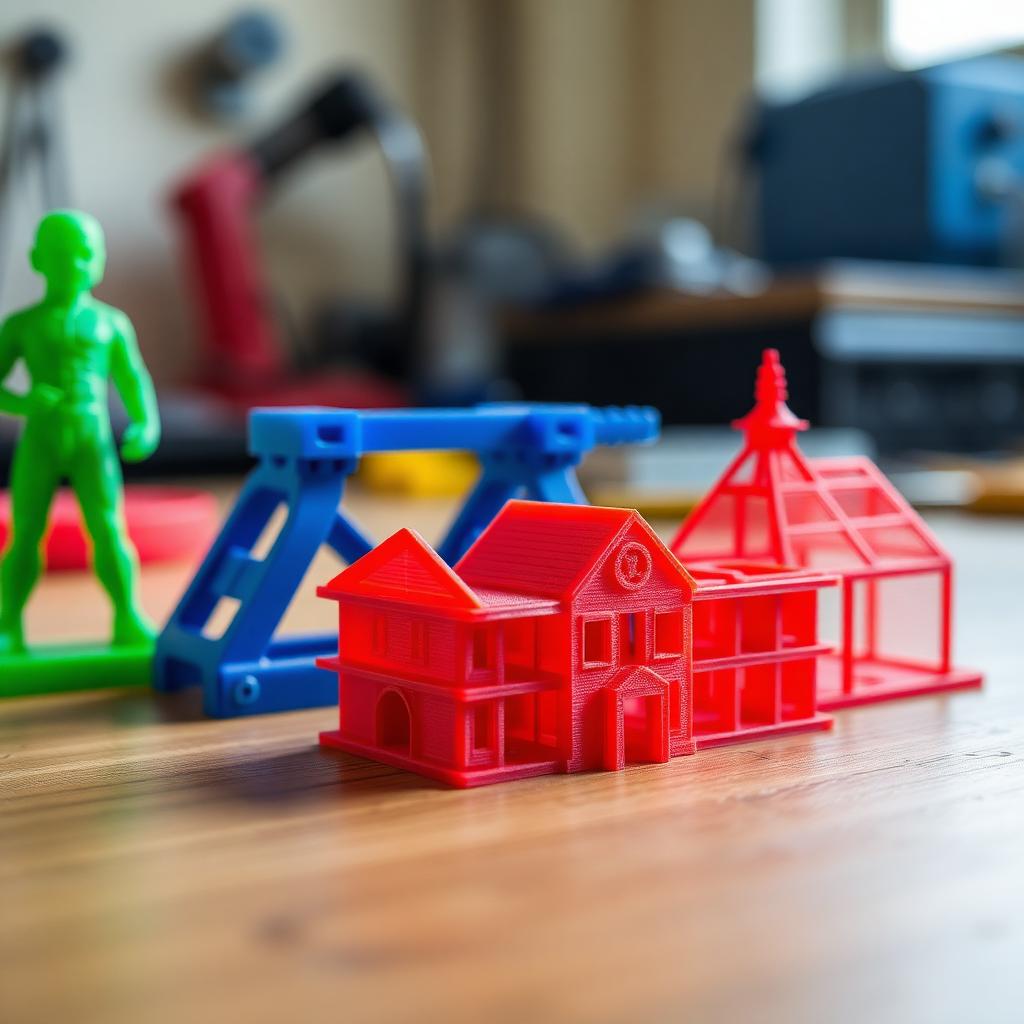
- Sharp detail: excellent transfer of fine geometry, text and small features — ideal for figures, scale models and visual prototypes.
- Dimensionally stable: very little creep at room temperature — the model keeps its measurements for days and weeks.
- Huge range of colours and effects: matte, glossy, silk, dual-colour, wood, metal, glow-in-the-dark — the widest selection on the market.
- Bioplastic: made from renewable feedstock, industrially compostable (with a caveat below).
- Affordable: among the cheapest filaments in the "ready to print" quality tier.
Disadvantages of PLA
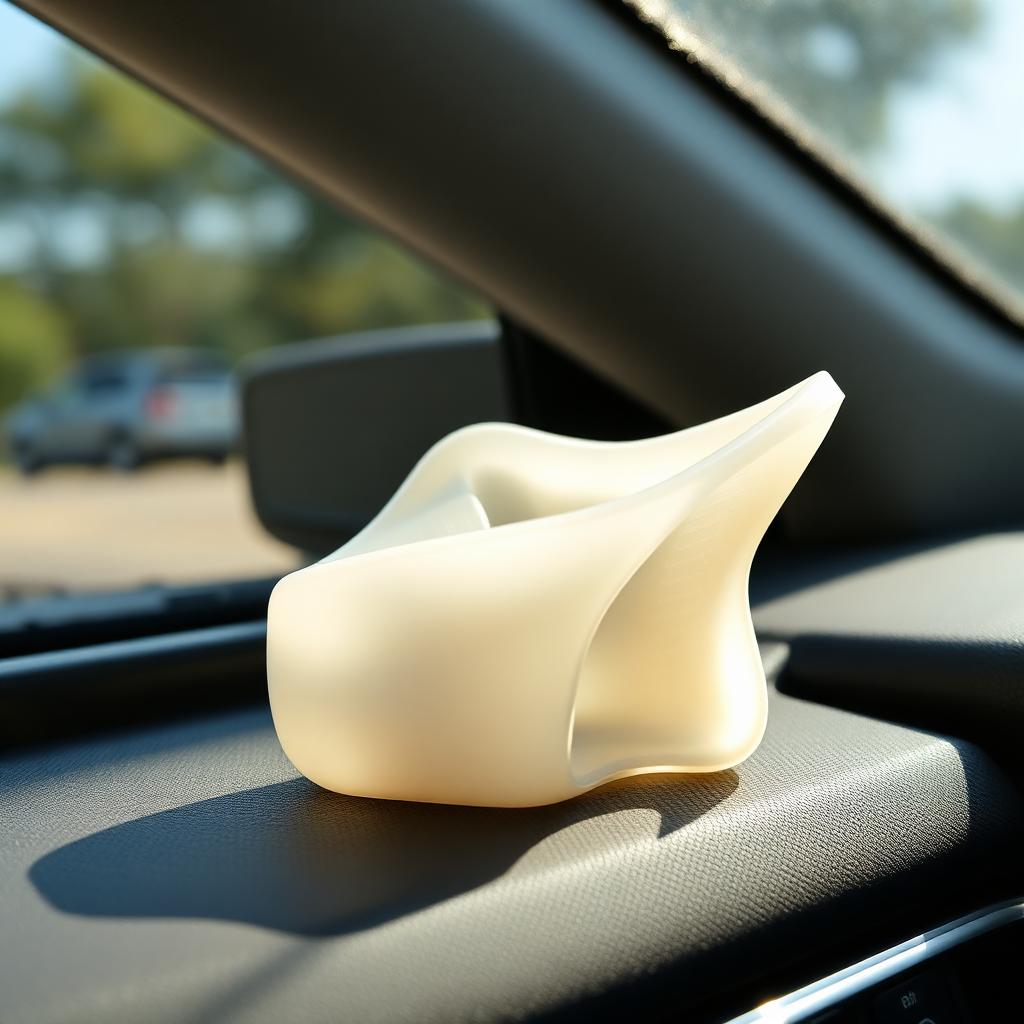
- Low heat resistance: deforms already around 55–60 °C — a car in the summer sun is fatal for it.
- Brittle under impact: it is strong in tension, but under a sudden hit it snaps sharply without an elastic zone.
- UV and outdoor exposure: long-term sun and moisture cause loss of gloss and increased brittleness.
- Hard to machine: sanding and drilling work, but the material easily smears at higher tool speeds.
- "Compostable" does not mean "backyard-degradable": decomposition requires an industrial compost facility above 55 °C.
Where PLA is the ideal choice
- Visual prototypes and scale models: sharp detail, clean surfaces, cheap enough for many iterations.
- Figures, models, home printing: the huge palette of colours and effects gives a professional look without post-processing.
- Assembly aids and short-life fixtures: jigs, templates, spacers — anything that operates at room temperature.
- Education and office use: no smell and no enclosure needed, safe for a shared workspace.
- Ergonomic and medical concepts (not final products): for hand-feel test models before moving to the final material.
When PLA is not a good choice
- Parts exposed to sun or heat: car interiors, terraces, kitchens, near heating.
- Mechanically loaded parts with impacts: tool holders, functional parts under dynamic load.
- Parts exposed to moisture and UV for a long time: outdoor use — ASA, ASA by Crofil or PETG are better.
- Chemical resistance: PLA is not resistant to solvents, oils or fuel.
- Parts that need to flex: for elasticity we use TPU, not PLA.
PLA vs. PLA+ / Tough PLA
Most manufacturers today also offer "PLA+" or "Tough PLA" variants. These are modified PLAs with impact modifiers — they remain as easy to print as classic PLA, but with much better impact resistance. For functional prototypes and parts that need to survive a drop or a tightened screw, PLA+ is almost always the better choice than plain PLA, at a very small price difference.
Print parameters (typical)
- Nozzle temperature: 200–220 °C
- Bed temperature: 50–60 °C (unheated bed can also work with good adhesion)
- Print speed: 60–200 mm/s depending on the printer
- Part cooling: 100 % — PLA loves cool air
- Nozzle: standard 0.4 mm, hardened is not required except for silk/glitter variants
Conclusion
PLA is still the "default" FDM material for a reason — the easiest to print, the widest colour selection and the best ratio of price to visual quality. But PLA is not a universal material: the moment a part has to get hot, live outdoors or take impacts, we switch to PETG, ASA by Crofil, PA6-CF or TPU. At the 3D4U workshop we use PLA for scale models, presentation pieces and quick prototypes, and produce functional parts from the appropriate technical materials.